

Pores Aren’t Doors: The Architecture of Follicular Management
Pores Aren’t Doors: The Architecture of Follicular Management
Forget everything you think you know about pores. They don’t open or close like doors because the ostium lacks contractile tissue—this simple fact changes how you manage follicular health. When you understand pore anatomy and sebum rheology, you’ll see why pressure and stretching happen, and how supporting collagen and elastin can make all the difference. Let’s clear up myths and give your skin the clinical care it deserves. Explore more insights here.
Anatomy of the Ostium
Understanding the real structure of pores shifts your skincare approach. The truth about how they function reveals new methods to care for your skin.
Pore Anatomy Explained
Your skin is like a complex puzzle. Pores are small openings on the surface, providing paths for oil and sweat to reach the skin. They are not gateways that open or close. Instead, they serve as passageways. Beneath these openings lie structures that include hair follicles and sebaceous glands. These glands secrete sebum, the natural oil that keeps your skin hydrated.
Pores do not have muscles. This means they lack the ability to change size voluntarily. The appearance of pores can change due to external factors like dirt or oil buildup. Most people believe in pore-opening myths, but understanding their true anatomy allows better skincare decisions.
Why Pores Do Not Open or Close
Common skincare advice often talks about opening or closing pores. However, this isn't possible. Pores might look larger when clogged, but they don't physically open or close. The size of a pore can appear different depending on what fills it. Oil, grime, or makeup can create the illusion of changing size.
Instead of trying to open or close pores, focus on cleaning them. This helps maintain their natural function. Keeping them clean and clear is key to healthy-looking skin. Regular gentle cleansing is your best tool against pore buildup.
Understanding Ostium Structure
The ostium is the outermost part of the pore. It acts as the doorway for sebum and sweat. This structure is composed of skin cells. Unlike other skin areas, it lacks contractile tissue, which is why it cannot open or close. The ostium's primary role is to serve as a channel.
The ostium must remain clear for optimal function. When blocked, it can lead to acne or blackheads. Effective cleansing routines can help maintain a clear ostium. This helps avoid the common skin issues associated with blocked pores. Proper care ensures your skin stays healthy and glowing.
Sebum Rheology
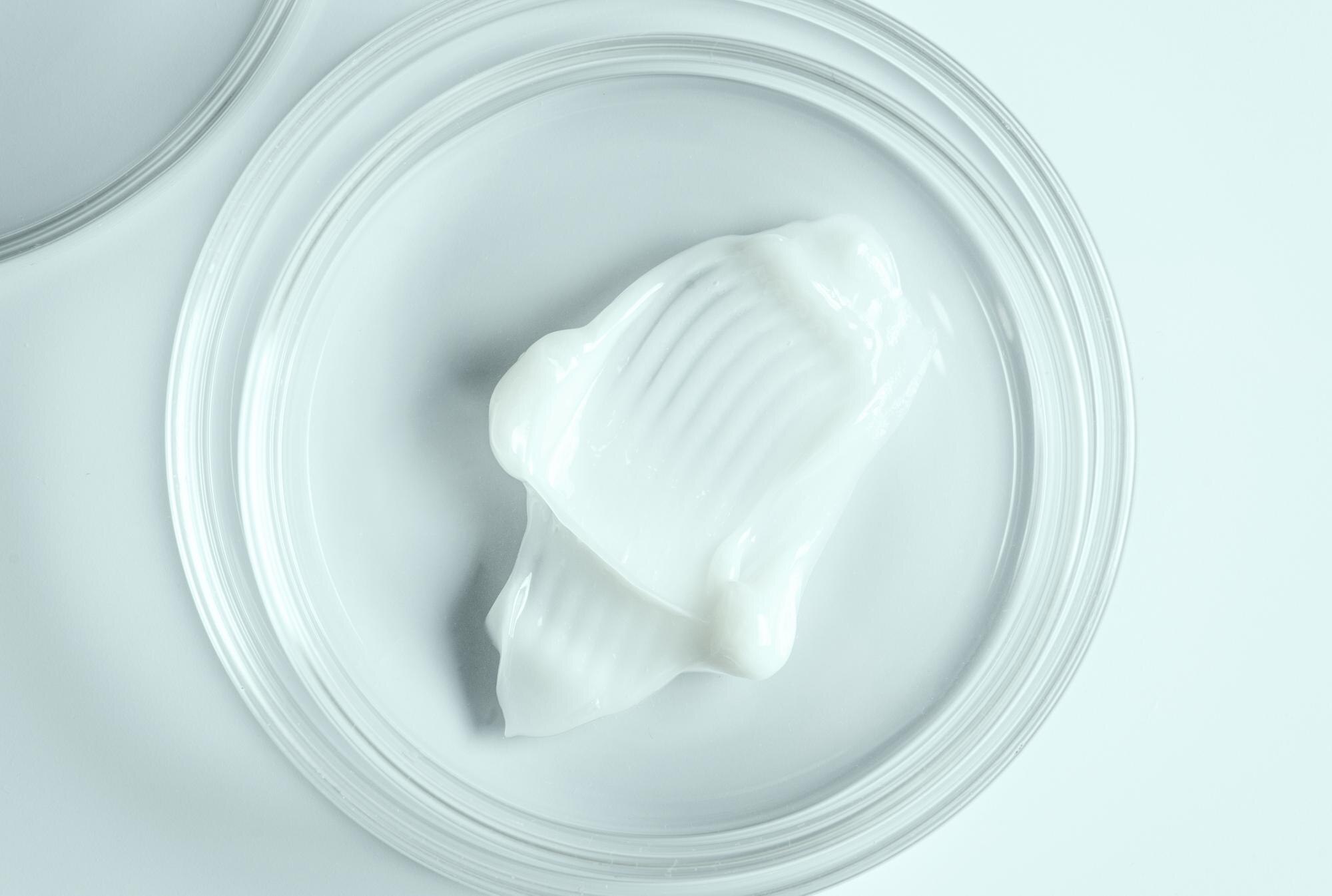
Sebum plays a crucial role in skin health. Its viscosity and composition impact pore function and appearance. Learn how sebum affects your skin and what you can do about it.
Lipid Viscosity and Follicular Management
Sebum is a mix of lipids, which are fats that naturally occur in your skin. Its viscosity affects how easily it flows through the pores. Thicker sebum can lead to clogged pores, while thinner sebum flows more freely. Managing its consistency helps in maintaining clear skin.
Your diet and environment can influence sebum's viscosity. A balanced diet with healthy fats might promote better sebum flow. Keeping your skin clean also helps in managing its thickness. Regular exfoliation can aid in removing dead skin cells that contribute to blockages.
DNA-Driven Sebum Composition
Your DNA determines the composition of your sebum. Some people naturally produce more oil than others. This genetic factor can influence your skin's appearance. Understanding your skin type helps in choosing the right care routine.
Products targeted for specific skin types can help manage oil production. If you have oily skin, look for ingredients that balance sebum levels. Dry skin might benefit from products that add moisture without clogging pores. Tailoring your routine to your genetic needs leads to better skin health.
Impact of Sebum on Ostial Dilation
Sebum buildup can lead to ostial dilation, where pores appear larger due to being filled. When sebum and dead skin cells mix, they can cause blockages. This can make pores look more prominent.
The key is regular and gentle exfoliation. Using products that clean deeply without stripping moisture helps. Avoid harsh cleansers that might irritate and worsen the appearance of pores. Instead, choose gentle formulas that maintain the skin's natural balance.
Perifollicular Structural Support

Collagen and elastin play a role in maintaining the firmness of your skin. They support the structure around pores, affecting their appearance and health.
Role of Collagen and Elastin Support
Collagen and elastin are proteins that give your skin strength and elasticity. They provide the support needed for the skin to bounce back. As you age, these proteins break down, leading to sagging and larger-looking pores.
Supporting these proteins can help maintain pore appearance. Incorporating products that boost collagen production may aid in keeping skin firm. Ingredients like peptides and antioxidants are known to help with this. Regular use keeps your skin looking youthful.
Elastic Recoil of the Pore Rim
The pore rim benefits from elastin's presence. This gives it the ability to return to its original shape after being stretched. Over time, factors like sun exposure can weaken this ability.
Protecting your skin from the sun is crucial. Use sunscreen daily to prevent damage to elastin fibers. Regular hydration also contributes to maintaining elasticity. An effective skincare routine supports your skin's natural resilience.
Managing Sebaceous Filament
Sebaceous filaments are natural components that line the walls of pores. They are often mistaken for blackheads. While they are usually harmless, when filled, they can give the appearance of enlarged pores.
Managing these filaments involves consistent cleansing. Use a gentle exfoliant to help break down and clear excess oil. Avoid squeezing or picking at your skin, which can cause irritation. A routine focusing on clean, balanced skin helps manage their appearance.
Instructional Care for Pore Appearance

Implementing a targeted skincare routine helps in managing the appearance of pores. Understanding the right techniques can make a noticeable difference.
pH-Standardized Cleansing Techniques
Cleansing is a fundamental step in any skincare routine. Using a pH-standardized cleanser ensures your skin remains balanced. A pH of 5.4 is ideal for maintaining healthy skin. This helps in protecting the skin's natural barrier.
Choose products that are gentle yet effective. Harsh cleansers can strip the skin, causing irritation. A balanced cleanser will clean without disrupting the skin's pH. This helps in keeping pores clear and healthy.
Benefits of Acid Mantle Health
The acid mantle is a thin film on the skin's surface. It acts as a barrier to protect against bacteria and pollution. Maintaining its health is key for overall skin wellness.
Using products that support the acid mantle helps in keeping your skin protected. Avoid overly alkaline products that might disrupt it. A balanced routine supports the mantle, promoting healthier skin. This contributes to a smoother appearance and feel.
Stabilizing Routine with Barrier Recovery Cream
A stabilized skincare routine is essential for maintaining healthy pores. The Ama Nia Barrier Recovery Cream offers advanced hydration and barrier repair. Its formula supports the skin's natural defenses.
Incorporate this cream into your routine to help manage pore appearance. It offers deep hydration, promoting a healthy barrier. Regular use aids in reducing the visibility of pores and supports overall skin health. For best results, apply to clean, slightly damp skin.